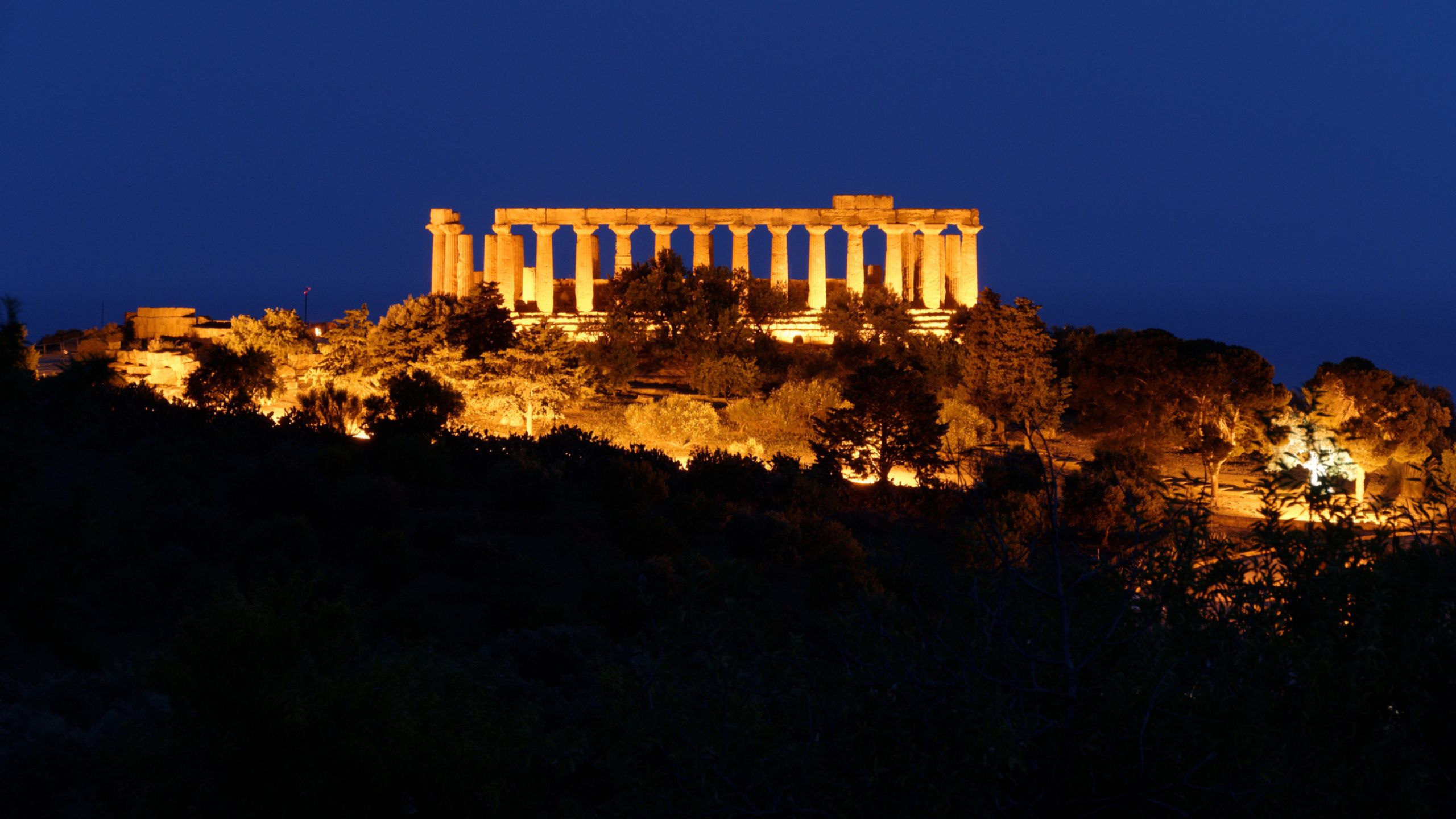
The Sicilian sun dipped towards the horizon, painting the sky in hues of bruised orange and fiery violet. I stood mesmerized before the Temple of Concordia, its golden-hued columns reaching majestically for the heavens. The Valley of the Temples in Agrigento was breathtaking – a silent city of Doric giants whispering tales of a glorious past. But unlike the usual throngs of tourists, the late afternoon had gifted me a slice of blissful solitude. Or so I thought.
Fueled by an insatiable case of “temple-mania,” I decided to explore beyond Concordia. The map, helpfully creased in half and shoved in my pocket, seemed like a mere suggestion, not a necessity. “Just one more temple,” I convinced myself, “then I’ll head back.” Little did I know, this innocent decision would turn into an odyssey through history, seasoned with a generous helping of panic and a touch of sheepishness.
The Valley of the Temples, for all its grandeur, is deceptively vast. Lush Mediterranean vegetation and a seemingly endless network of paths weave between the temples. I skipped merrily from one to another, marveling at the Temple of Juno with its imposing size, then giggling at the endearingly squat proportions of the Temple of Hercules. Time, it seemed, had taken a siesta along with the crowds.
Somewhere between the Temple of Olympian Zeus, a magnificent skeleton of a structure, and the fragmentary remains of the Sanctuary of Demeter, it dawned on me: I was hopelessly lost. The playful afternoon sun had become a mischievous imp, casting long, deceptive shadows that played tricks on my sense of direction. My phone, naturally, had decided this was the perfect moment to conk out, leaving me with a useless map and a growing sense of unease.
Lost and Found in the Valley of the Temples
Panic, however, is an unbecoming emotion in the company of ancient Greek deities. Instead, I decided to channel my inner Indiana Jones, minus the fedora (a grave oversight, I realized). Taking a deep breath, I surveyed my surroundings. In the distance, a lone fig tree, gnarled and ancient, stood sentinel. Remembering a helpful tidbit from the introductory video (which I may or may not have skipped most of), I recalled that the Greeks often planted these trees near temples for shade and religious significance. Perhaps, I thought, following a sacred fig tree might lead me back to civilization.
Thus began my hilarious, self-proclaimed “Temple Trail with a Fig Guide.” The path, meandering and overgrown, led me past crumbling walls and hidden cisterns. I startled a flock of birds who rose in a flurry of indignant cooing, mistaking me for a particularly enthusiastic temple-hopping tourist. A lone lizard, sunning itself on a warm stone, regarded me with a reptilian version of a bored sigh.
The fig tree, bless its ancient heart, remained a steadfast guide. As the sun dipped even lower, casting the valley in a dusky twilight, I stumbled upon a sight that made me gasp. A small, open-air theatre nestled amongst the ruins, its stone seats like the petrified ghosts of an audience long gone. Overcome with a sense of awe, I sat down, imagining the plays that might have been performed here centuries ago.
Just as despair threatened to set in again, I heard a sound. A deep, rumbling voice that echoed through the valley. My heart pounded. Had I stumbled upon the restless spirit of an angry god? With a mixture of trepidation and morbid curiosity, I followed the sound, only to find… a park ranger.
Relief washed over me like a tidal wave. The ranger, a kind-hearted soul named Salvo, chuckled at my tale of woe and my unorthodox navigation system. He offered me water, and, most importantly, a ride back to the entrance.
As we drove towards the exit, the last rays of the sun casting a shimmering path across the sea, I couldn’t help but grin. My “lost” afternoon had turned into an unforgettable adventure. I had explored hidden corners, stumbled upon a secret theatre, and even made a friend.
The next morning, sporting a fetching sunburn and a newfound appreciation for headwear, I returned to the Valley of Temples, armed with a fully charged phone and a newfound respect for the map. Salvo, my savior, had become a local legend in my mind, and with a touch of theatricality, I tipped my hat to the park entrance as if I were a seasoned explorer returning to a familiar frontier.
This time, with a map in hand and a healthy respect for the sheer sprawl of the valley, I embarked on a more structured exploration. I learned about the fascinating history of Akragas, the ancient Greek city that once thrived here. Each temple unfolded its story – the Temple of Heracles, dedicated to the mighty demigod, stood proudly with its distinctive Telamones, giant statues that once held the weight of the roof. The Garden of the Kolymbetra, a hidden oasis of citrus trees and pomegranate bushes, offered a welcome respite from the Sicilian sun.
The afternoon found me at the Archaeological Museum, marveling at the intricate sculptures and pottery shards that brought the lives of the ancient Greeks to life. A mischievous glint entered my eye. Perhaps, I thought, I could use my newfound knowledge to stage a mini-play in the open-air theatre I had stumbled upon the day before.
The Valley of the Temples, I discovered, is not a place to be rushed. It’s a place to savor, to wander, to lose yourself (figuratively, of course) in the whispers of history. So, if you ever find yourself visiting this awe-inspiring site, take your time. Explore, get a little lost, and who knows? You might just discover your own hilarious odyssey, guided by a fig tree and fueled by the spirit of adventure. Just maybe, do not leave your phone at the hotel and surely invest in a good hat.
Valley of the Temples: More Than Just a Bunch of Old Rocks
Get ready for a history lesson that won’t put you to sleep (unless you’re jet-lagged, then by all means, nap amongst the ruins – we won’t judge). The Valley of the Temples in Sicily isn’t your average snoozefest of ancient stones. Sure, it’s got seven epic Doric temples dedicated to Greek gods with names that sound like heavy metal bands (Temple of Olympian Zeus, anyone?). But there’s way more to this place than just Zeus and his crew.
Think of it as an ancient amusement park – minus the overpriced popcorn and questionable bathroom smells. We’re talking about a sprawling 1,300-hectare archaeological playground filled with fascinating finds. Here’s the lowdown on the coolest stuff:
Temple Time: Obviously, you gotta check out the temples. They’re like the rockstars of the Valley. Temple of Concordia? Still totally rocking a killer roofline. Temple of Juno? More columns than you can shake a selfie stick at. Just remember, posing like a gladiator is optional (but highly encouraged).
Villa Aurea: This 19th-century mansion isn’t exactly ancient, but it’s a fun little time capsule tucked amongst the ruins. Built by a British army captain with more money than sense (seriously, who builds a fancy house next to a bunch of ghosts?), it now houses a cool archaeology museum. Think Indiana Jones’ attic, but way more organized.
Garden of Villa Aurea: Forget the ghosts, this spot is all about the gorgeous Mediterranean flora. Imagine wandering through a fragrant maze of olive trees and blooming flowers – the perfect place for a romantic Instagram shot (or a catnap, no judgement here).
Living Museum of the Almond Tree: Almond lovers rejoice! This museum is a shrine to Sicily‘s most emblematic tree. Learn everything you ever wanted to know about these nutty wonders, from their history to how they’re grown. Plus, there’s a shop selling almond goodies – because who doesn’t love an almond cookie after a history lesson?
Percorso Benessere: Feeling stressed? This “wellness path” is your ancient stress-buster. Take a leisurely stroll through a landscape of olive and almond trees, soak up the sunshine, and pretend you’re a toga-wearing Roman on a relaxing vacation.
The Diodoros Project: These guys are all about promoting the Valley’s agricultural and cultural heritage. Think delicious local olive oil, fresh Sicilian wine, and enough almonds to keep your snack game strong. They also throw awesome events like concerts and exhibitions – basically, they’re the party planners of the ancient world (well, almost).