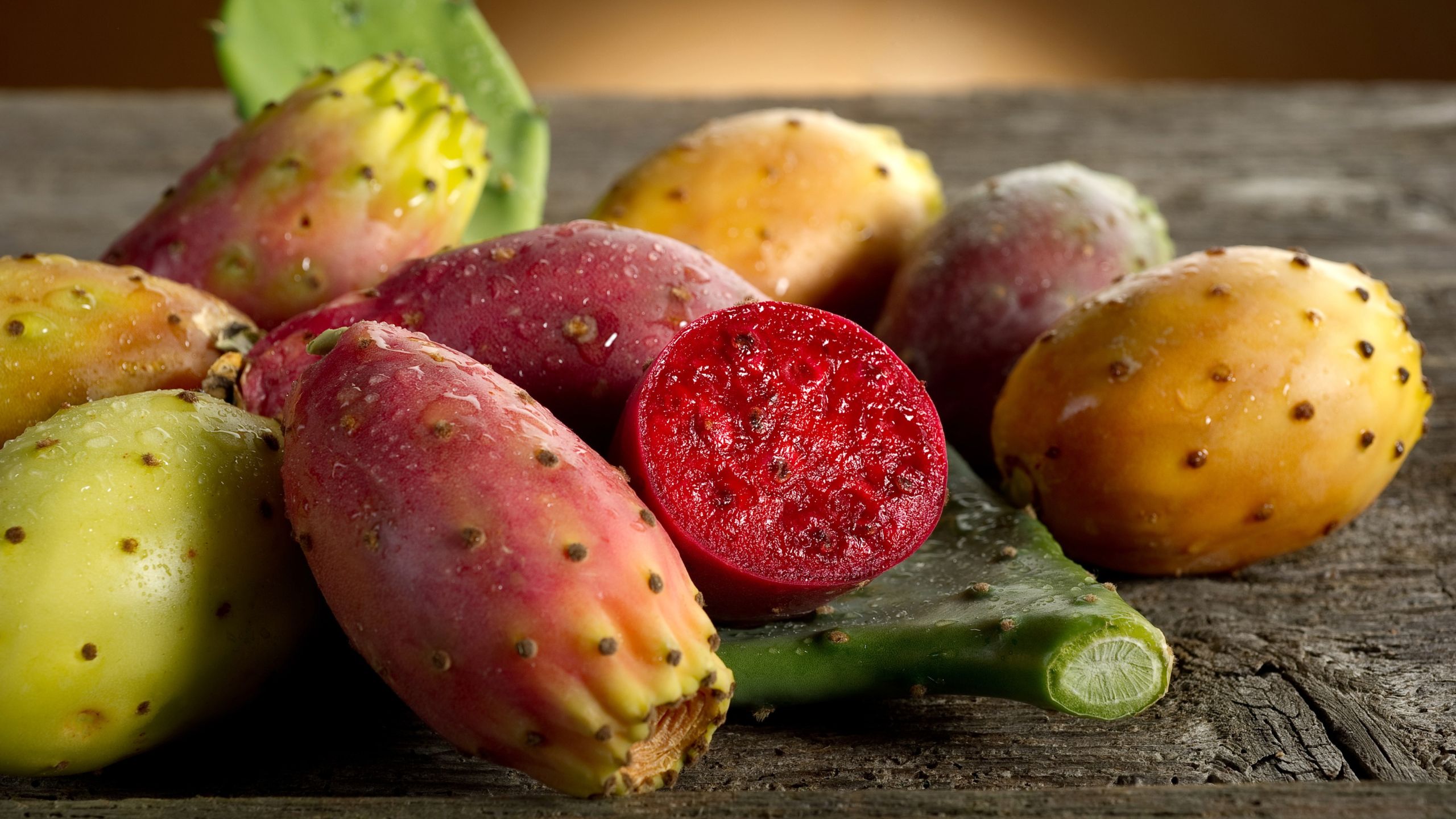
Let’s chat about the wonders of Sicily and its unique fruits, particularly the Fichi d’India, or as we know them in English, the Prickly Pears. These aren’t just any ordinary fruits; they’re like little treasures scattered across the island, adding a splash of vibrant color to Sicily’s rugged landscapes.
Fichi d’India and Sicily
Picture this: amidst the rough and tumble of Sicilian terrain, the cactus plants stand tall and resilient, just like the island itself. And there, perched on these tough plants, are the Fichi d’India. They’re not just fruits; they’re like little jewels, glistening in the Mediterranean sunshine. Their bright colors and succulent taste are a reminder of Sicily’s wild beauty and enduring spirit. These prickly pears, thriving in tough conditions, are more than just a treat for the taste buds; they’re a symbol of the island’s unyielding nature.
Let’s dive into the amazing world of the Fichi d’India and Sicily. Those prickly pears that are such a big part of Sicily’s charm. Imagine peeling back the tough, spiky exterior of these fruits. What you find inside is a delightful surprise for your taste buds! It’s like uncovering a hidden treasure: each bite is sweet, refreshing, and has just the right amount of tang to make the flavors dance in your mouth. This mix of tastes isn’t just delicious; it’s a reflection of Sicily’s rich cultural tapestry, blending Arabic sweetness with a Mediterranean zing. Every mouthful is like tasting a piece of Sicilian history and geography.
And then there’s the experience of harvesting these gems. I had the chance to learn this ancient skill from local farmers, navigating carefully around those formidable thorns. Picking the ripest Fichi d’India is a task that requires respect and caution, mirroring the resilience Sicily has shown through the ages.
Tasting the fruits of my labor was more than just enjoying a delicious snack. It felt like I was connecting with Sicily’s soul, its deep-rooted agricultural traditions. It was a moment of understanding the island’s past and appreciating how it nurtures its future. It’s not just about the fruit; it’s about the journey, the heritage, and the enduring spirit of Sicily.
The Fichi d’India in Sicily is more than just a fruit; it’s a symbol, steeped in meaning and spirituality. In the heart of Sicilian culture, this cactus fruit stands as a beacon of endurance and protection. It’s like the island itself, thriving against all odds, a testament to resilience. There’s a spiritual aspect too; the prickly pear is believed to ward off negative energies, embodying Sicily’s deep commitment to preserving its heritage and way of life.
As the Sicilian day winds down, with the sun casting a golden glow over the landscape, I found myself immersed in both the traditional and modern twists of the Fichi d’India. It’s amazing how this fruit weaves its way through Sicilian life. From age-old recipes handed down through generations to new, inventive culinary delights, the Fichi d’India is everywhere. Imagine tasting gelato that’s been infused with its unique flavor, or sipping on artisanal liqueurs that celebrate its natural beauty. It’s a fusion of Sicily’s past and present, flawlessly intertwined.
Reflecting on my time in Sicily, my heart beats in sync with the rhythm of the Fichi d’India. This fruit captures the essence of Sicilian charm, resilience, and spirit. Every bite is a burst of the island’s vibrant landscapes, the warmth of its people, and the richness of its traditions.
Leaving Sicily, I take with me not just memories, but the flavors and essence of the Fichi d’India. It’s not just a fruit; it’s a symbol of love, life, and the enchanting allure of this Mediterranean paradise. In every succulent piece, I found a piece of Sicily’s soul—a vivid reflection of its history, its people, and its undying spirit that continues to enchant the world.
Practical Advice on Harvesting, Handling, and Eating Prickly Pears
Harvesting and handling prickly pears requires careful attention due to their protective spines. To enjoy these delicious fruits, follow this practical guide:
Harvesting
- Opt for early morning hours for the best harvest. Use protective gloves, tongs, or specialized tools to avoid getting pricked.
- Select ripe prickly pears with vibrant colors that yield slightly to pressure.
- Gently twist and detach them from the cactus pads, being mindful not to harm the plant.
Cleaning and Handling
- After harvesting, place the prickly pears in a dedicated large bucket with cool, running water.
- Let the water help remove thorns, dirt, and debris. It’s essential to keep the water fresh and cool for effective cleaning.
Peeling and Preparing
- To peel the prickly pear, use a fork and knife.
- Securely hold the fruit with the fork while slicing off both ends and making a lengthwise incision along the skin.
- Carefully peel the skin away to reveal the succulent flesh inside.
- Avoid touching the skin with bare hands to prevent thorn contact. Ensure that neither the fork nor the knife transfers any thorns into the fruit.
- Once peeled, you can slice the fruit into wedges, cubes, or enjoy it whole.
Eating
- For the best taste, refrigerate the freshly harvested prickly pears for a few hours.
- They can be enjoyed as a delightful snack or incorporated into various dishes and beverages.
- Their sweet, juicy flavor complements salads, salsas, and desserts.
- You can also blend the flesh into smoothies or extract its juice for refreshing drinks.
- Be cautious while chewing the seeds, as they can be hard and may need to be spat out.
Storing
- If you have more prickly pears than you can consume immediately, store them in a cool, dry place away from direct sunlight.
- Alternatively, refrigerate the fruit for up to one week.
- For long-term storage, remove the skin and seeds, placing the flesh in an airtight container or freezer bag to freeze for up to six months.
By following these steps, you can safely and enjoyably relish the unique flavors of prickly pears while being mindful of handling them with care and respect for their natural defenses.