There’s a moment, often unexpected, when Sicily casts her spell. It might be the scent of lemon blossoms carried on the breeze, the golden glow of the evening sun on ancient stone streets, or the sound of laughter spilling from a trattoria late into the night. For many, that moment sparks a dream: what if I lived here?
Relocating to Sicily isn’t just a move—it’s a shift into a different rhythm of life. An island rich with history, culture, and natural beauty, Sicily offers a lifestyle that blends the best of Mediterranean living with a proud, complex identity all its own. But like any great romance, making Sicily your home comes with its share of challenges alongside the magic. Here’s what to expect when answering the island’s irresistible call.
The Sicilian Lifestyle: A Daily Embrace of Beauty
Life in Sicily is about savoring. Meals aren’t rushed—they’re long, often communal, and lovingly prepared with local ingredients that change with the seasons. From the sweet tang of blood oranges in winter to the silky ribbons of handmade pasta served under the summer stars, food is not just sustenance here—it’s culture.
But the Sicilian dolce vita extends beyond the table. It’s the afternoon passeggiata, where locals stroll through town squares exchanging news and greetings. It’s the morning market, alive with color and the chatter of vendors selling freshly caught fish or just-picked tomatoes. And it’s the deep sense of community that comes with being known—not just by name, but by story.
For those moving from faster-paced cultures, this focus on human connection, on slowing down to appreciate life’s simple pleasures, can feel like a revelation.
Practicalities of Moving: Making Sicily Home
Of course, dreaming is one thing—relocating is another. The good news? EU citizens have it relatively easy, with freedom of movement and the ability to establish residency without too much red tape. For non-EU citizens, options like elective residency (for those with independent income) or work visas (less common) are available, though they require patience and planning.
Healthcare in Sicily is part of Italy’s national system, which provides excellent coverage at minimal cost once you’re a resident. Many expats supplement this with private insurance for quicker access to certain services. Driving, however, can be an adjustment: if you come from outside the EU, you’ll need to convert your license or obtain an Italian one after a year. And while Sicily has its quirks—bureaucracy being one of them—local expat communities and relocation specialists can help smooth the way.
A key piece of advice? Embrace the process. Things happen on “Sicilian time,” and learning to go with the flow is part of settling in.
Cost of Living: Affordable Mediterranean Bliss?
One of the most enticing aspects of relocating to Sicily is the cost of living. Compared to mainland Italy, and especially to tourist magnets like Rome or Florence, Sicily offers an appealingly affordable lifestyle.
Renting a one-bedroom apartment in Palermo or Catania can cost between €400-€700 per month, while countryside or smaller village homes often go for less. Buying property is also more accessible, with charming historic homes (sometimes in need of renovation) available for a fraction of what you’d pay in northern Italy.
Groceries from local markets are wonderfully affordable, especially if you cook with seasonal ingredients. Dining out at a local trattoria might cost €15-€25 per person for a complete meal with wine, while a cappuccino at the bar remains under €2.
Utilities and internet tend to be comparable to the rest of Italy, though heating costs in winter (especially in older stone buildings) can be higher than expected. Still, many expats find that their money stretches further here, allowing for a richer quality of life.
Choosing Where to Live: City, Sea, or Countryside?
Sicily isn’t just one place—it’s a tapestry of landscapes and communities, each with its own flavor. Finding the right spot to settle is just as much about personality as it is about practicality.
- Palermo, the island’s capital, pulses with energy, art, and street food. It offers the buzz of urban life but softens at its edges with neighborhoods like seaside Mondello, where turquoise waters meet golden sands.
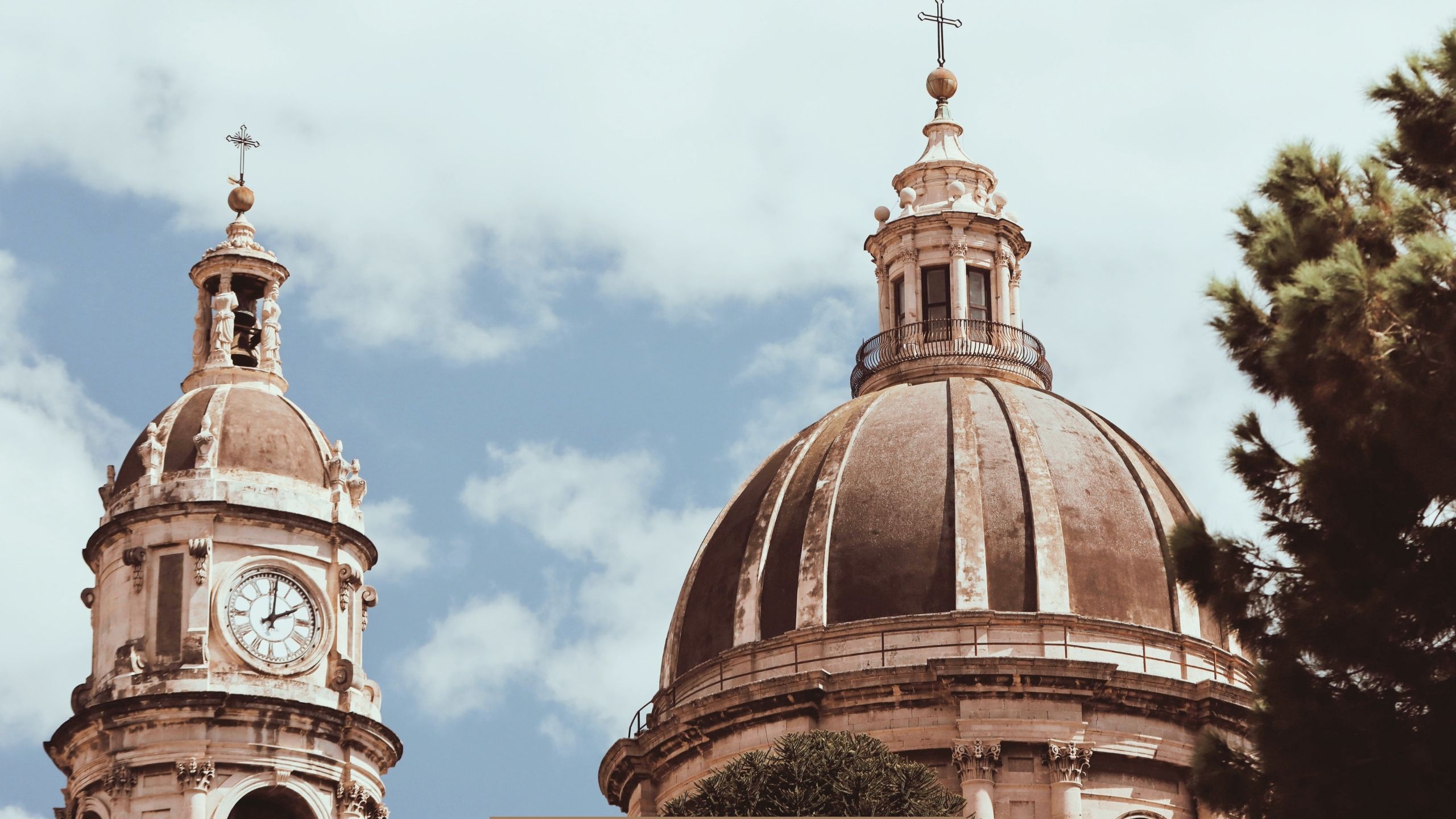
- Catania, at the base of mighty Mount Etna, is a youthful and dynamic city, with a dramatic baroque core. The city blends urban grit with elegance and offers proximity to both sea and slopes.
- Acireale, perched just north of Catania, is a smaller gem, known for its baroque architecture, carnival celebrations, and easy access to both Etna and the Ionian coast. Here, life moves at a gentler pace but remains connected to the city’s vibrancy.
- Taormina, Sicily’s most glamorous hilltop town, captivates with its breathtaking views over the Ionian Sea, historic Greek theater, and boutique-lined streets. Rents and property prices here are on the higher side, reflecting its status as an international destination, but the charm and scenery are unmatched.
- The villages on the slopes of Etna, such as Linguaglossa, Zafferana Etnea, or Randazzo, offer a rustic charm, cooler mountain air, and panoramic views that stretch from the volcano to the sea. These communities provide a peaceful, authentic Sicilian experience, often with more space and affordability than the coastal hubs.
- Messina, often overlooked, holds strategic appeal. As the northeastern gateway to Sicily, it offers stunning views over the Strait of Messina and convenient ferry access to mainland Italy. For those seeking a balance between island life and easy connections to the continent, Messina makes a practical base.
- Syracuse, with its enchanting island of Ortigia, blends ancient Greek history with seaside charm. Life here flows along narrow lanes, sunlit piazzas, and waterfront promenades. It’s worth noting that rents in Ortigia, especially lungo mare with sea vistas, can be higher than expected, but many expats and locals alike find them well worth the cost. Imagine waking up each day to the glittering expanse of the Ionian Sea, with history at your doorstep and the scent of the sea in the air—it’s an everyday luxury that makes the investment feel well worth it.
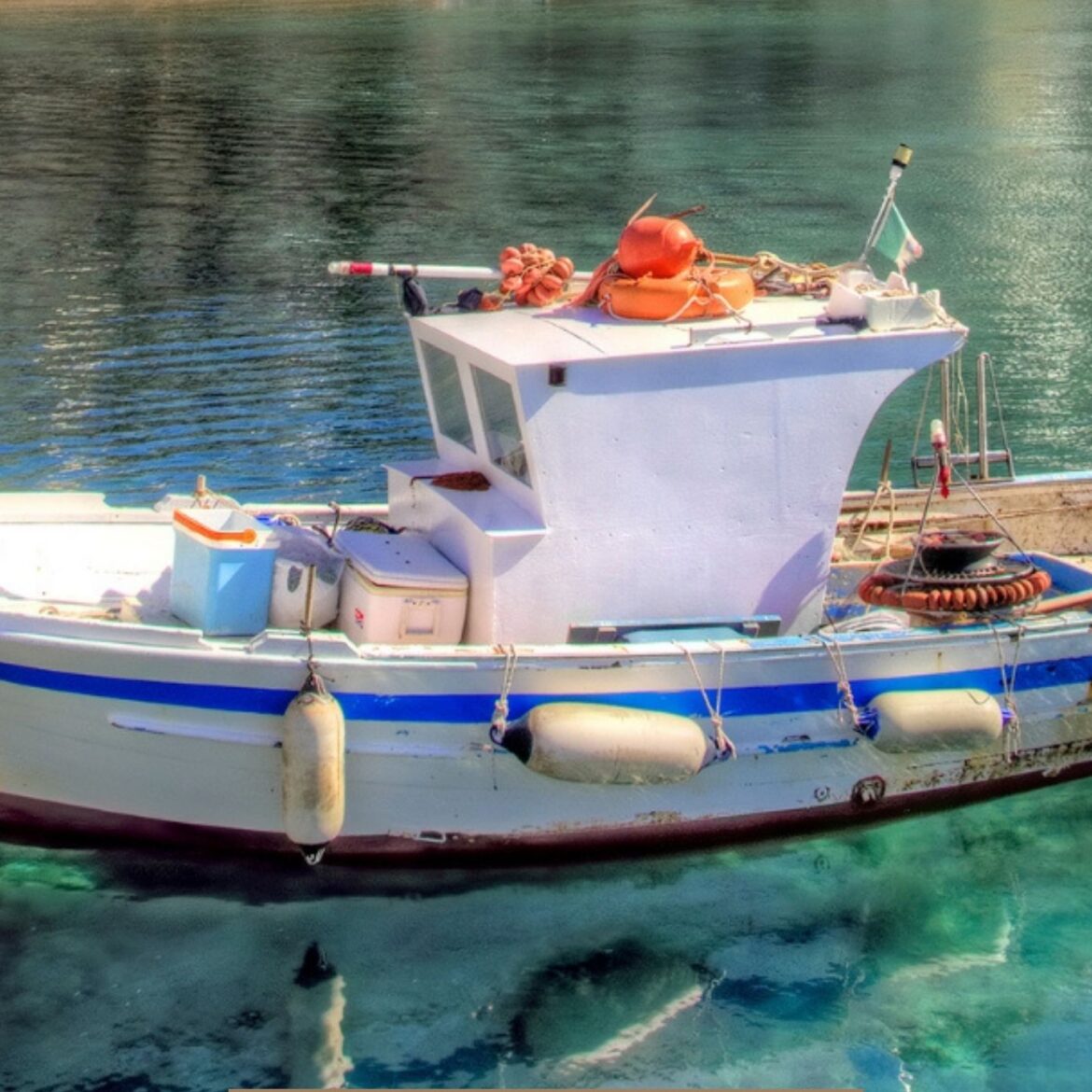
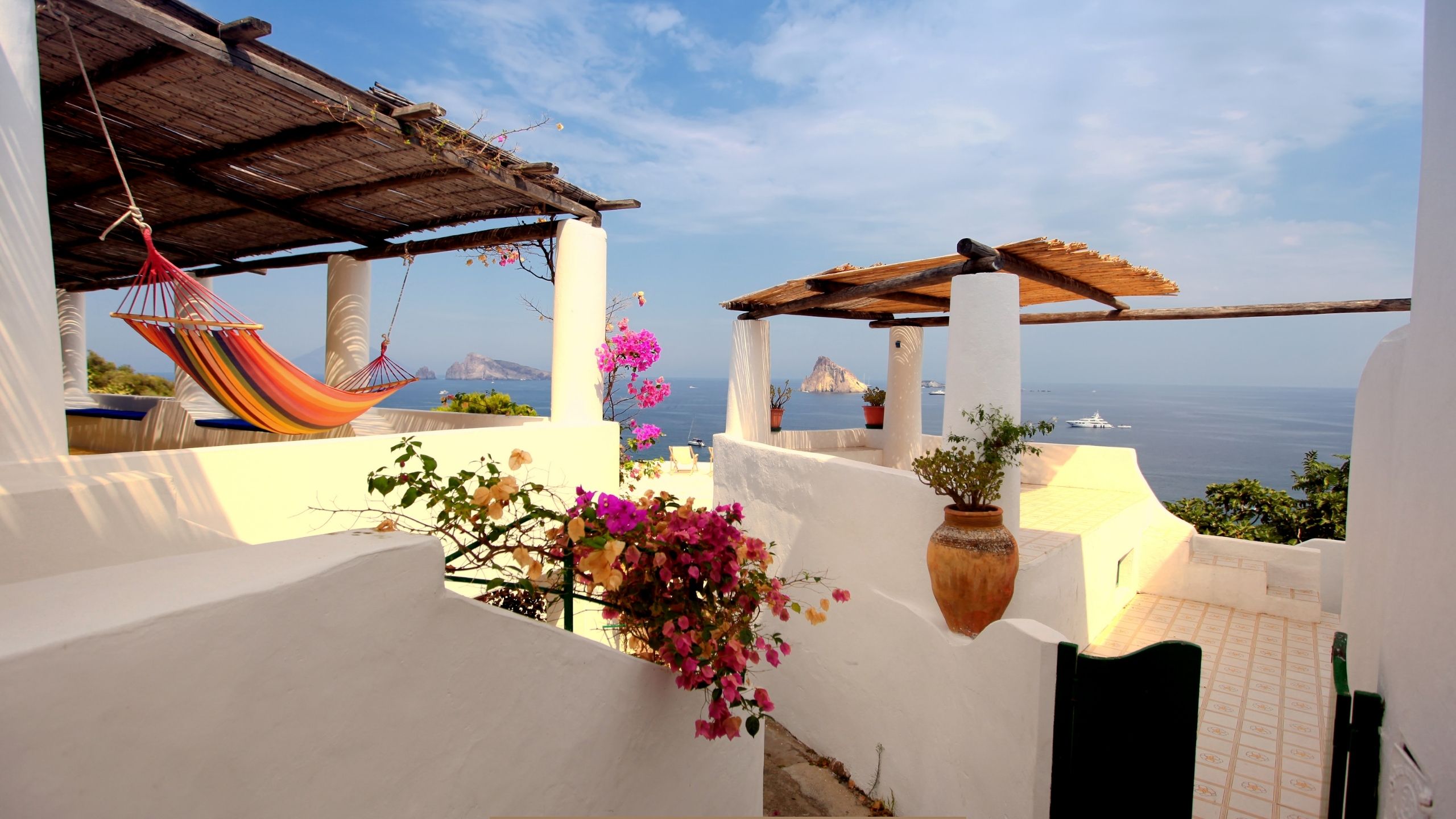
- For those craving remoteness and natural beauty, the Aeolian Islands or Pantelleria offer volcanic landscapes, rugged coastlines, and a slower, seasonal rhythm of life.
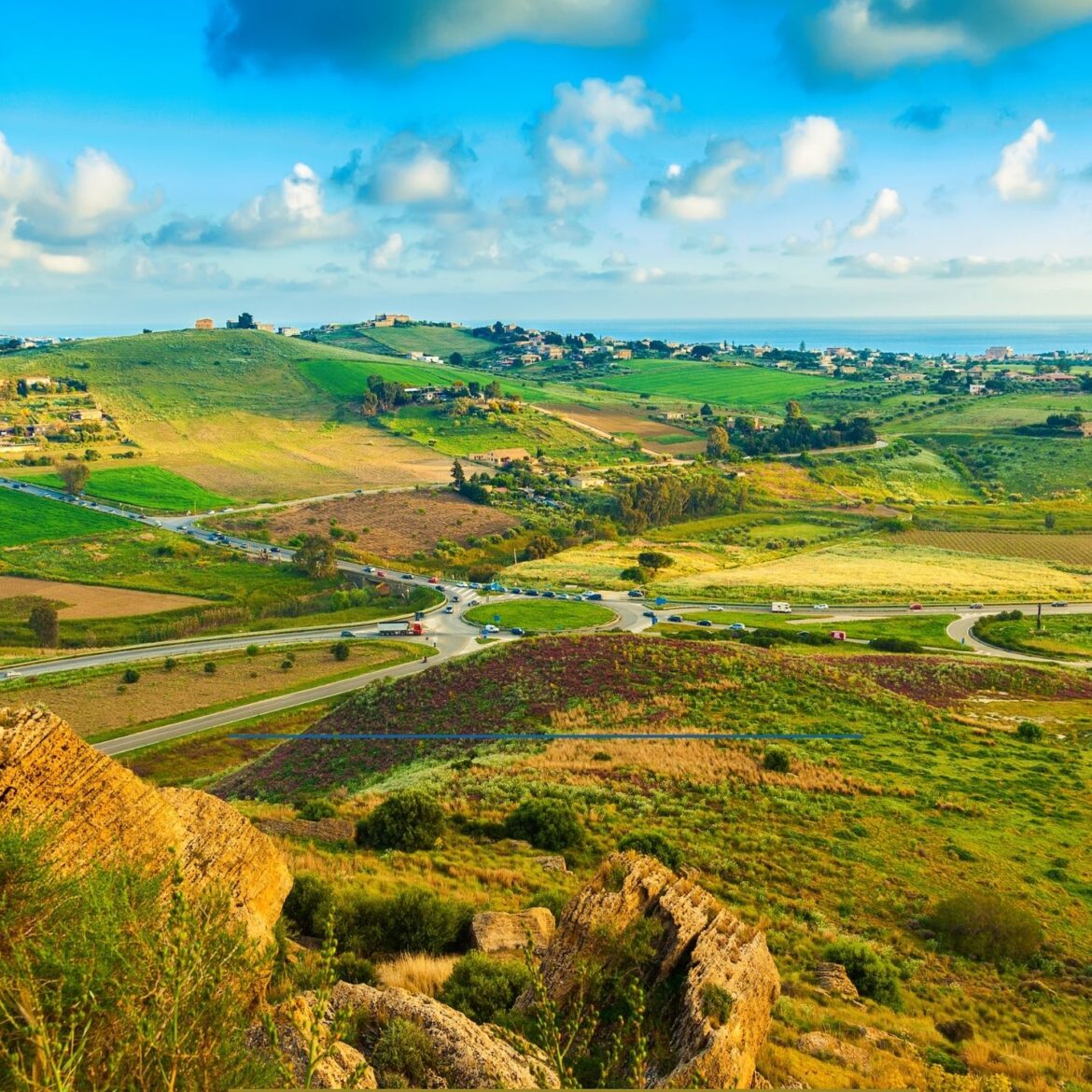
- The countryside, especially in the Val di Noto or the Madonie mountains, provides space, peace, and an intimate connection with Sicily’s agricultural heart. Here, historic farmhouses and vineyard estates invite a return to simpler living.
Cultural Adaptation: Embracing the Sicilian Way
Relocating here isn’t just about changing your address—it’s about embracing a way of life. Sicilians are famously warm and welcoming, but they also have a strong sense of tradition and a strong sense of community. Learning the language, even at a basic conversational level, goes a long way in making connections.
Expect cultural differences, especially when it comes to pace and priorities. Bureaucratic systems can feel labyrinthine, and punctuality is more of a suggestion than a rule. But patience pays off—and those who adapt to the flow discover an island where relationships, family, and daily joys matter more than clock-watching.
Seasons and Festivals: Living by the Island’s Rhythms
One of the great gifts of Sicilian life is its grounding in nature and tradition. The year unfolds through its festivals, many tied to agriculture and religious rites. From the almond blossoms of spring to the grape harvests of autumn, life follows the cycles of the land.
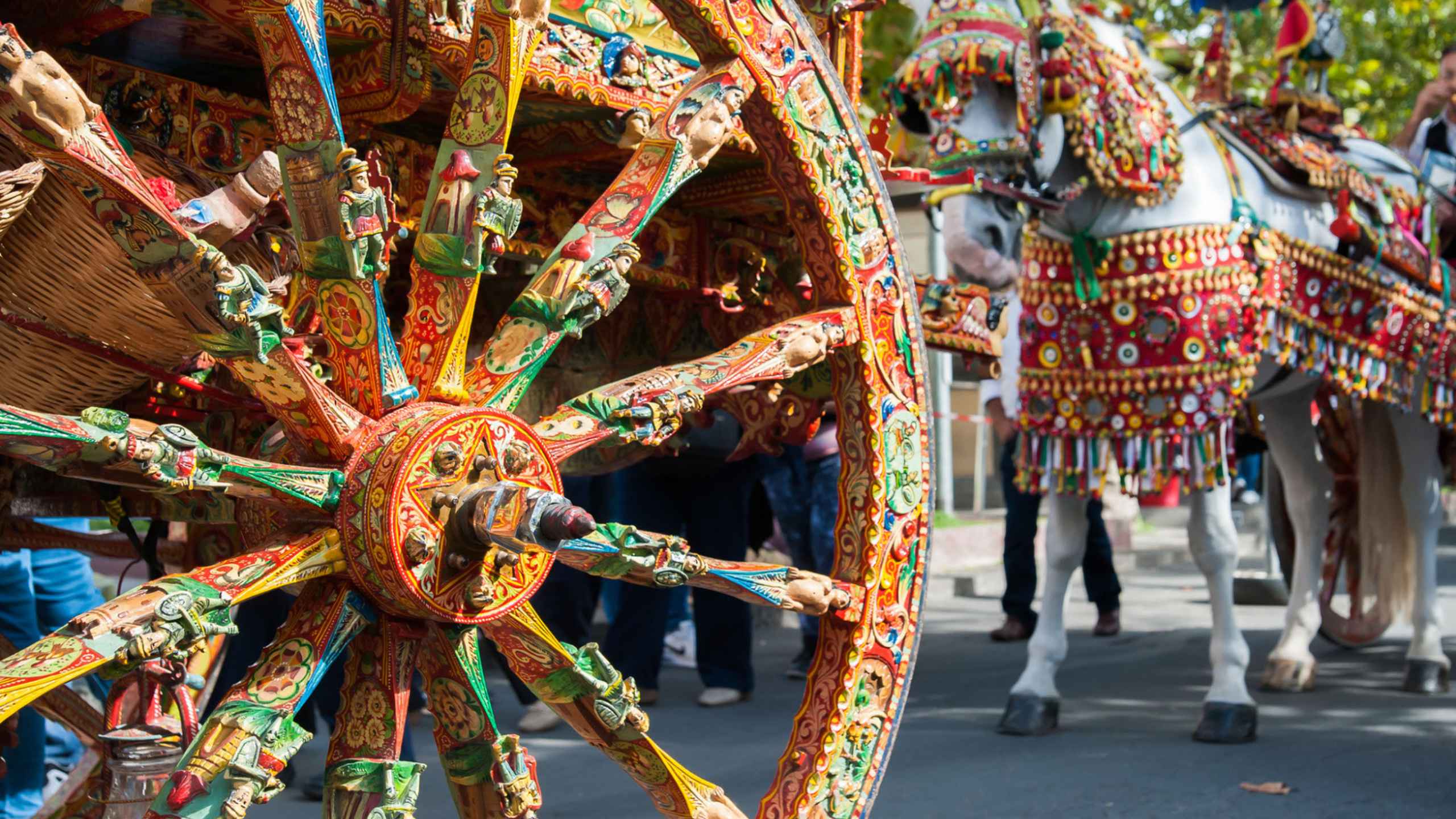
Carnival in Acireale bursts with color and revelry in February, while summer brings sagre—local food festivals celebrating everything from swordfish to pistachios. The Feast of Saint Agatha in Catania or Santa Rosalia in Palermo blends the sacred and the celebratory in spectacular ways. These events aren’t just spectacles—they’re invitations to belong.
Final Thoughts: Finding Home in Sicily
Relocating to Sicily means more than finding a new address. It’s about finding a new way of being in the world—one where beauty is in the everyday, where history isn’t behind glass but under your feet, and where life’s pleasures are savored slowly.
Of course, it isn’t always easy. There will be frustrations—bureaucratic hurdles, language barriers, unexpected delays. But for those who come with open hearts and a willingness to adapt, Sicily offers something rare: a life rich with meaning, connected to the rhythms of nature, community, and history.
As the Sicilian saying goes, “Cu mancia fa muddichi”—those who eat make crumbs. In other words, to live fully, you must participate, get a little messy, and savor every bite. And in Sicily, there’s always more to taste, see, and feel.